

February 11, 2026

Every February, the Bryce Jordan Center fills with thousands of people doing something quietly radical. They dance, they stand, they cheer for 46 hours straight. Most will never post about the hardest moment, the 3 a.m. wall, or the kid whose family they just met. The point is not the content. The point is showing up. For The Kids.
That is THON, and it is also a living lesson in what research keeps telling us: the people who live longest and best are not the ones who perform love the loudest. They are the ones who show up, consistently, in real life.
What Blue Zones teach us about love
Dan Buettner studied the world’s Blue Zones, places where people routinely live past 100. Two of his nine longevity habits are entirely about relationships: “Loved Ones First” and “Right Tribe.”
In Blue Zones, people keep aging parents and grandparents nearby. They commit to life partners, which can add three years of life expectancy. They surround themselves with small groups of like-minded people who reinforce healthy behaviors over decades. These are not grand romantic gestures. They are small, daily acts of presence and care.
The takeaway is clear: love, in the form of showing up, is physically protective. Strong social connections increase your likelihood of living longer by 50 percent. Poor relationships can be as harmful to your health as smoking 15 cigarettes a day.

Acts of service as a love language
Psychologist Gary Chapman identified five love languages, and one is Acts of Service: showing love through practical, helpful actions. For people who speak this language, actions really do speak louder. Running an errand, cooking a meal, holding someone’s spot, or quietly taking care of something hard—these are ways love gets expressed and received.
Research backs this up. A recent study found that people with more positive relationship experiences, including practical support and care, had lower stress, better coping, and healthier blood pressure. The key was not just how people felt about relationships overall. It was the daily moments of showing up that shaped their physical and mental health.
What this looks like in Happy Valley
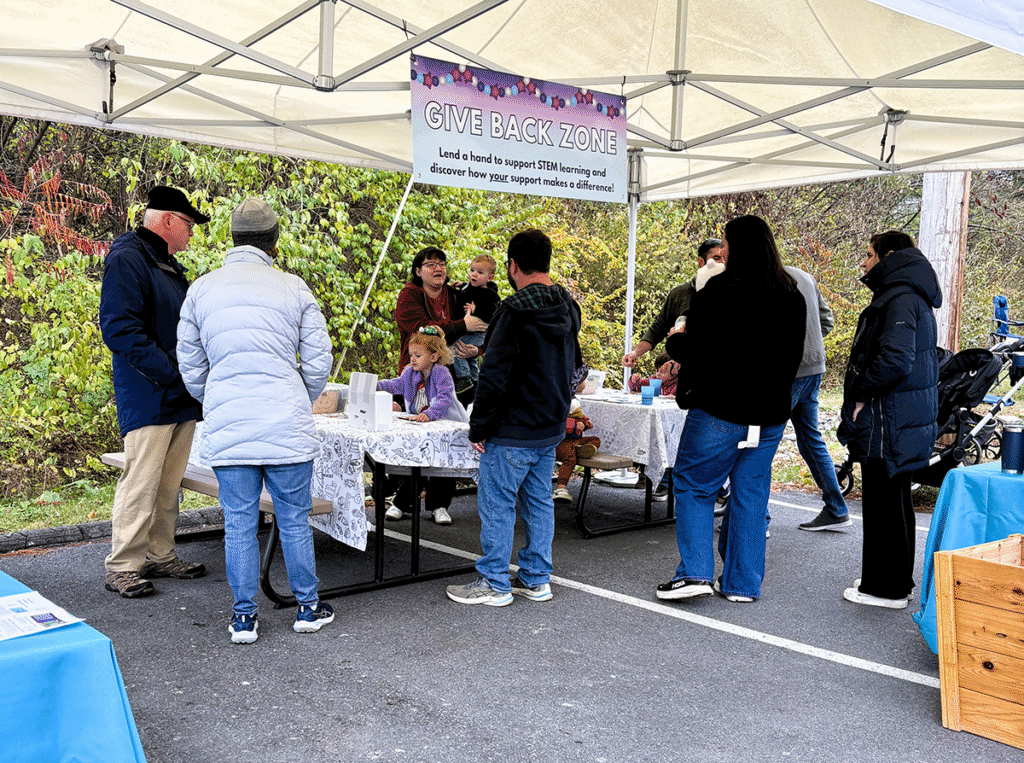
In a Blue-White Zone frame, love is less about what you post and more about where your feet are. THON is the most visible example, but there are hundreds of quieter ones happening every week. Alumni volunteering. Staff setting up events for students. Neighbors bringing meals. Faculty holding office hours that feel like care.
These acts do not trend. They do not rack up likes. But they are the fabric of a place where people feel like they belong, and belonging is one of the strongest predictors of health we have.
A February invitation
If you want to practice this kind of love this month, try a few small moves:
- Pick one person or cause and show up once without posting about it.
- Trade one “I love you” text for an in-person moment.
- Notice where you are performing care instead of practicing it. Then shift.
The goal is not to shame anyone for sharing joy online. It is to remember that the deepest kind of love, the kind that protects your health and extends your life, happens when you are physically present. In Happy Valley, every small move toward showing up is evidence-based care for everyone involved. This Valentine’s Day, be someone’s proof that love is not a performance. Love is presence.
Come practice that kind of love and presence with me in a room built for it. Join me at Pine Grove Hall, the beautifully restored former Odd Fellows Hall in Pine Grove Mills, for my Stirred, Not Stuck session, “Energy on Tap,” on Sunday, February 15 at 5 p.m. so we can laugh, refill, and get a little more unstuck together.

2 Responses
THON is one of the many reasons I am proud to be a Penn Stater!
Melissa, great article. Happy Valley is twice as great as a Blue Zone. As you highlighted we are a “Blue and White Zone”!!