March 25, 2026
Why Connect Happy Valley is bringing this conversation to Pine Grove Hall:
We live in a college town. The future of artificial intelligence is not an abstract debate for us. It directly shapes our students, our employers, our families, and our regional economy. When AI changes how work gets done, Happy Valley feels it immediately.
That is why Connect Happy Valley is sponsoring this ongoing discussion series at Pine Grove Hall. Faculty, business leaders, parents, and community members are gathering to understand what is happening and what we must do about it. These articles are part of that effort.
The headline you need to understand right now: AI has evolved from editing assistant to autonomous worker. Most people have not caught up to this shift, and that gap will determine who thrives and who struggles in the coming decade.
The Big Misconception
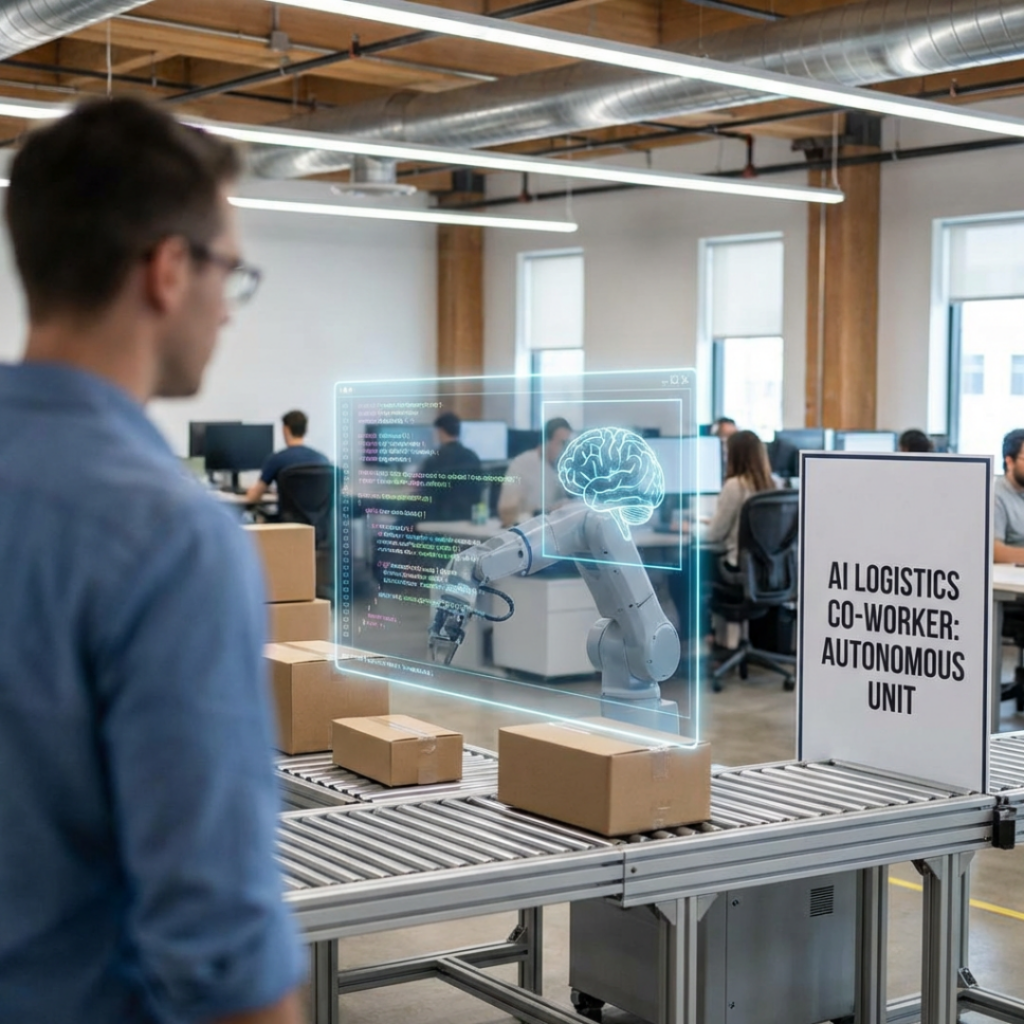
When most people think about AI, they picture a tool that fixes grammar, suggests synonyms, or summarizes long documents. That understanding is already outdated.
A new category of AI has emerged. It does not just help you work. It works.
I call this Agentic AI, and it changes everything about how we should think about education, employment, and professional value.
What Is Agentic AI?
Traditional AI tools assist. You write; they polish. You ask, they answer.
Agentic AI operates differently. Given a clear goal and specific success criteria, these systems can:
- break complex objectives into steps.
- execute those steps using specialized tools.
- evaluate their own progress.
- adjust and iterate until the goal is met.
This is not editing. This is delegated work.
An editing tool improves what you produce. An agentic system produces it for you.
Who Should Pay Attention?
Mid-level professionals face the most significant shift.
Engineers, analysts, consultants, and project managers typically receive objectives from leadership, translate them into plans, coordinate resources, and deliver results. Agentic AI can now perform most of those functions when given clear performance metrics.
This does not mean jobs vanish. It means jobs change.
The professional who once managed a team to produce a report may now supervise AI agents that draft it. The core skill shifts from production to verification and accountability.
Why Most People Underestimate This
Three factors explain why the disruption is not yet widely understood:
1. The interface looks familiar. Chat windows make AI seem like a helpful assistant. Users see text, not the autonomous workflows operating underneath.
2. Organizations frame AI as productivity software. The narrative emphasizes efficiency gains, not structural role changes.
3. Education still focuses on output. Universities train students to produce papers, reports, and designs. They do not yet train students to supervise, verify, and take accountability for AI-generated work.
The New Professional Advantage
In an agentic AI environment, the scarce resource is no longer production. It is judgment.
The professionals who will thrive are those who can:
- define clear objectives and success metrics.
- supervise AI execution.
- audit outputs for accuracy and alignment.
- take responsibility for final recommendations.
Doing the work becomes less valuable. Defining and validating the work becomes essential.
What This Means for Our Region
Happy Valley’s economy is built around education, research, and the talent pipeline that flows from Penn State into industry. If our graduates enter the workforce unprepared for this shift, employers will notice. If our local businesses fail to adapt, they will fall behind competitors who do.
The decisions being made right now in classrooms and boardrooms will shape what our community looks like in ten or twenty years. This is not a distant concern. It is immediate.
What This Means for Education
If schools continue training students primarily to generate deliverables, they are preparing them for the tasks most vulnerable to automation.
The pivot must be toward:
- metric design and goal specification
- AI task supervision
- output verification and quality control
- professional accountability frameworks
Students who graduate with these skills will remain indispensable. Those who graduate only knowing how to produce may find their value diminished quickly.
The Human Role Remains Central
Agentic AI does not eliminate the need for people. It redefines what people must do well.
Humans remain essential for:
- setting objectives and constraints
- interpreting ambiguous goals
- detecting subtle errors or misalignment
- exercising ethical and legal judgment
- bearing institutional responsibility
The future belongs to professionals who supervise intelligently and take accountability seriously.
Why We Are Sharing This
This is the fifth article in my series on AI and the future of work, published through Connect Happy Valley as part of our Pine Grove Hall discussions. My purpose is simple: to help educators, parents, students, and professionals in our community understand what is coming so they can prepare now rather than react later.
The question is no longer whether AI can help you write a report.
The question is whether AI can complete the project.
For many tasks, the answer is already yes.
About the Author
Frank Archibald, PhD, is a researcher and educator specializing in engineering communication, problem-solving structures, and the impact of emerging technologies on professional practice. This article is the fifth in his ongoing series on AI and the future of education and employment.
PINE GROVE HALL
UNDERSTANDING AI SESSION 4:
WHAT’S NEXT
Wednesday, Apr 8 @ 7:00PM–9:00 PM