
How Central Pennsylvania’s deep roots and living traditions make it America’s most self-reliant region.
The Connect Crew gathered around the table last week, watching the news with the same unease everyone feels these days. Gas prices are climbing again. Supply chain warnings. Talk of power grid vulnerabilities. Extreme weather battering communities that thought they were safe.
What happens if things really fall apart? What happens if the trucks stop coming, the lights go out, and we have to figure out how to take care of ourselves?
“We could actually do this. Right here. Better than almost anywhere else.”
That conversation sparked something. We started talking to neighbors, farmers, old-timers, and historians. We dug into what makes this region different. And what we found filled us with something unexpected.
Pride.
Real, grounded, justified pride in where we live and who we are.
The Valley That Remembers How
There’s a stretch of Pennsylvania where something remarkable happened: the old ways never quite let go. Not out of stubbornness or nostalgia, but because the land itself made abundance possible, and the people who settled here understood that abundance shared is abundance multiplied.
Central Pennsylvania sits cradled between ancient ridges, fed by limestone springs that filter water to crystalline purity, blessed with soil so rich that families have farmed the same parcels for three centuries. While other regions traded self-sufficiency for efficiency, shipping their food from a thousand miles away and their skills to distant factories, Happy Valley kept its hand tools sharp and its neighbors close.
And that makes all the difference.
What the Land Provides
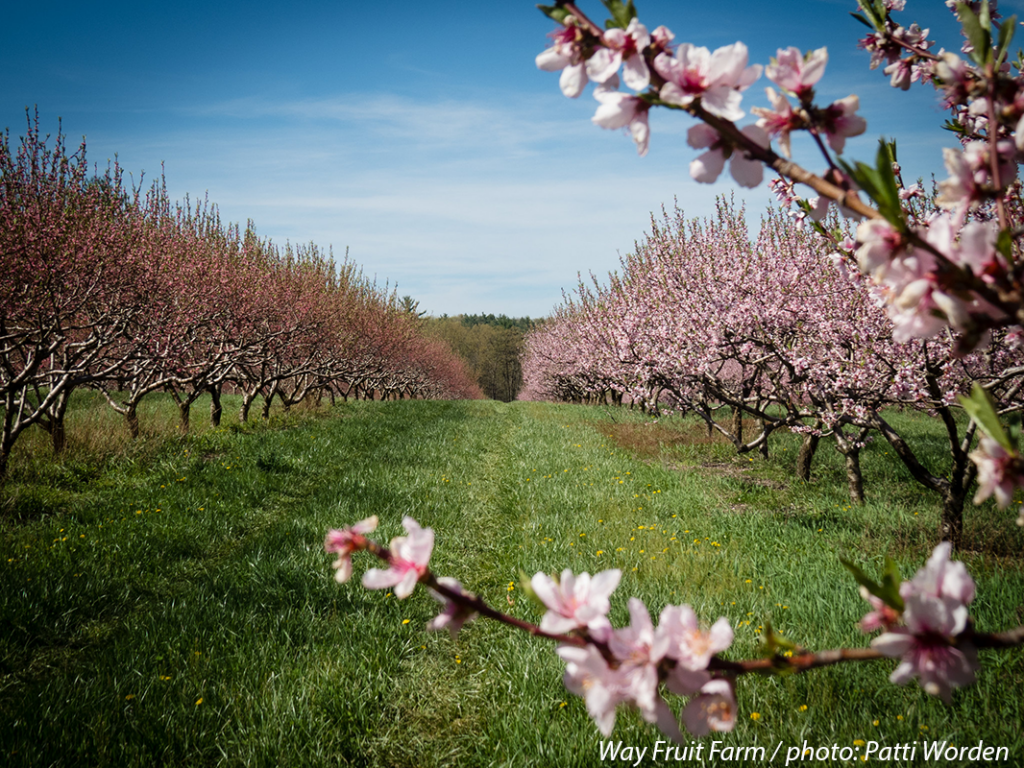
The inventory reads like a survival manual written by geography itself. Fresh water bubbles up from aquifers that have never failed. Farmland produces corn, wheat, and vegetables within sight of where they’ll be eaten. Orchards heavy with apples and peaches line the hillsides. Dairy herds graze pastures that their great-great-grandmothers grazed before them. Hardwood forests cover the ridges, offering timber for building and firewood for heating. Deer browse in every woodlot and trout flash silver in every stream.
Other regions talk about resilience. We live it. We grow it. We can it in Mason jars every September.
The Living Library
The Amish and Mennonite families surrounding us aren’t historical reenactors. They’re working professionals practicing trades that vanished elsewhere. Blacksmiths who can forge what factories won’t ship. Carpenters who build without power tools. Farmers who’ve never needed diesel to bring in a harvest. Their horses still work. Their canning cellars still fill each autumn. Their quilts still warm beds through winters that would terrify anyone dependent on a thermostat.
And here’s what matters: they’re our neighbors. Their skills aren’t locked away in museums. They’re available at the Saturday market, at the auction house, at the farm stand down the road. We don’t have to reinvent self-sufficiency. We just have to remember that we never really left it behind.
The Shelter of Geography
Happy Valley earns its serenity honestly. Hurricanes exhaust themselves against the Appalachians before reaching us. Tornadoes lose their fury in our rumpled terrain. Earthquakes forget we exist. Wildfires, the kind that evacuate entire Western counties, find no purchase in our humid forests. Our floods are manageable, our droughts are temporary, and our winters, while real, are the kind that woodstoves have managed for generations.
When coastal cities evacuate and desert aquifers fail, these valleys simply continue. We don’t panic. We don’t wait for someone else to save us. We know how to take care of our own.
Roots Run Deep
Look at the names on the mailboxes around here. Then look at the names on the old cemetery stones, on the deed records from 1820, on the church rolls from before anyone alive can remember. They’re the same names. Generation after generation, families have stayed because this land rewards those who work it and those who respect it.
That continuity isn’t just sentimental. It’s structural. The knowledge of how to live here, really live here, has passed from hand to hand without interruption. Your grandmother’s canning recipes work because her grandmother’s canning recipes worked. The old barn still stands because someone’s great-grandfather knew how to build things that last.
We carry that inheritance in our bones. And when the world gets uncertain, that inheritance becomes priceless.
We Could Circle the Wagons Tomorrow
Let’s be honest about something. If the trucks stopped running, if the power grid went dark, if the outside world fell into chaos, most of America would be in serious trouble within weeks.
Not us.
We have the water. We have the food. We have the skills. We have neighbors who know how to butcher, how to preserve, how to build, how to heal, how to teach, how to lead. We have farmers who could switch to horse-drawn equipment because their neighbors never stopped using it. We have forested ridges full of firewood and streams full of protein and cellars full of last year’s harvest.
Could we do it comfortably? Maybe not at first. Would there be adjustments? Of course. But could we do it? Absolutely. Without question. Better than anywhere else in this country.
That’s not arrogance. That’s just the truth of what this place is and who we are.
The Real Strength
What makes Happy Valley special isn’t just what we have. It’s how we hold it.
The farmers’ markets here aren’t lifestyle accessories. They’re supply chains measured in miles instead of continents. The neighbor who knows how to butcher, the family that keeps bees, the teenager learning to shoe horses: each one is a thread in a web of mutual reliance that makes everyone stronger.
We survive together. That’s not a slogan. That’s how this valley has worked for three hundred years.
Stand Proud, Happy Valley
So, while distant cities fret about supply chains and rising seas, while suburbs watch their commuting costs climb and wonder who will save them, we do what we have always done. We plant in spring. We harvest in fall. We share with neighbors. We carry on.
Our roots go deep. Our skills are real. Our community is strong. And if the day ever comes when we need to rely on nothing but ourselves and each other, we won’t just survive.
We’ll thrive.
This is Happy Valley. And there’s nowhere else like it.