


June 3, 2026
Communities fall into a pattern when they have a lot going for them and stop noticing it. They start looking elsewhere for what is already right in front of them. Happy Valley does this more than we admit.
We talk a lot about what we still want to become. We forget to name what is already here. We are a college town with national reach through Penn State. We are a sports and events region with venues that already draw people from across the country. We are a place with mountains, trails, parks, culture, festivals, and a downtown that gives people a reason to stay.
This is not just hometown pride. It matches how others already see us.
Event planners put Happy Valley in the same conversation as other college towns that “go to the head of the class” for sports and campus events. They point to the full package. Strong facilities. Plenty of hotel rooms. A walkable core with food and things to do between games. Easy access to outdoor recreation in every direction.
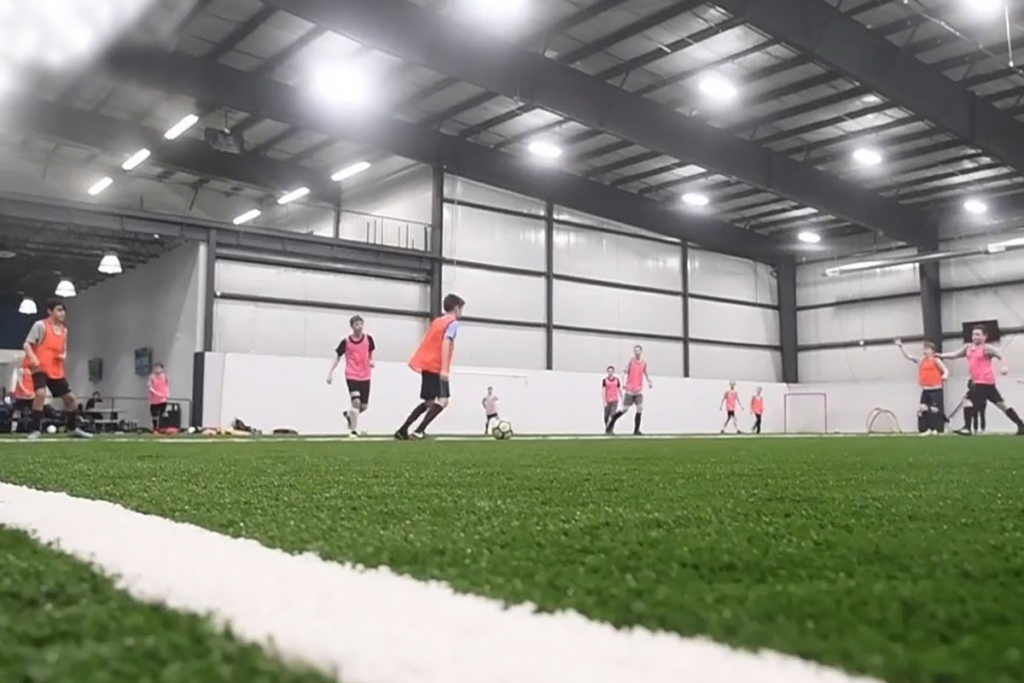
Sports Destination Management has already called Happy Valley one of the Northeast’s top sports destinations and recognized the region for its impact on sports tourism. In 2026, the IRONMAN 70.3 Pennsylvania Happy Valley North American Championship will bring athletes and families from across the continent. The Nittany Valley Sports Centre alone offers 74,000 square feet of rentable space and can host six basketball courts or nine volleyball courts, with an indoor turf field for field sports. C3 Sports adds more court space and flexibility for tournaments, and Whitehall Road Regional Park brings new tournament-ready fields online for teams and leagues.
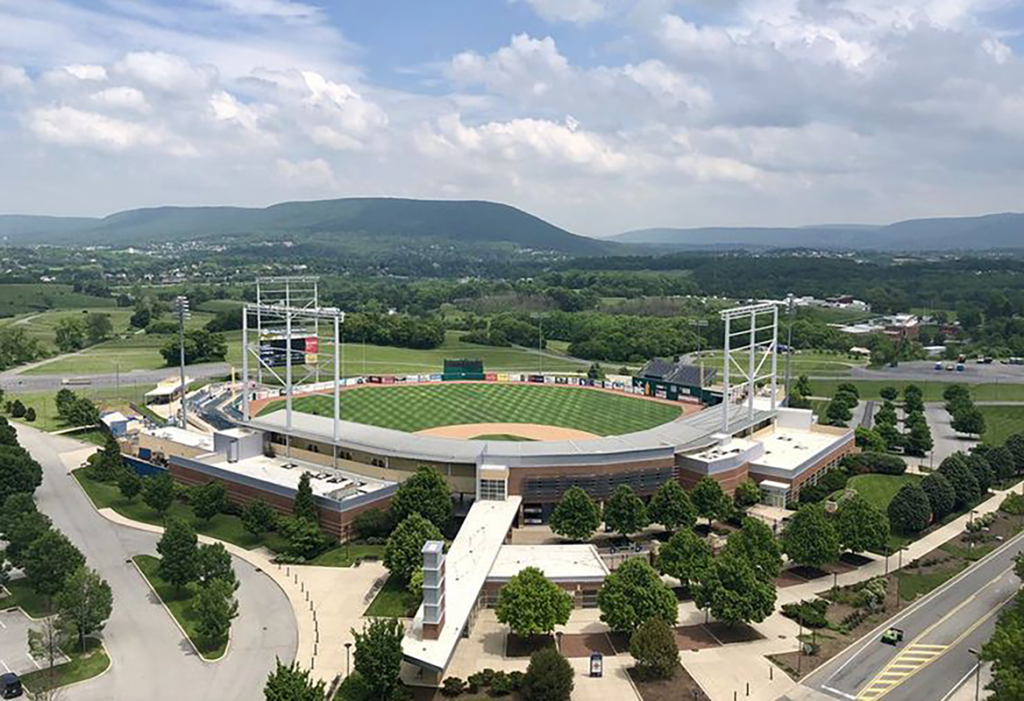
You can see that package in our sports map. Medlar Field at Lubrano Park gives this town a stadium that feels bigger than our size. It hosts college baseball, minor league ball, and tournaments in a setting that looks good on camera and in person. Just beyond town, Woodward PA pulls in young athletes, families, and visiting pros all summer. Skateboarding, BMX, scooter, parkour, gymnastics, and cheer all find a home there. Those weeks spill over into local restaurants, shops, and future visits.
Golf adds another layer. Toftrees Golf Resort is regularly rated as one of Pennsylvania’s top places to play and holds a 4.5-star “Places to Play” rating from Golf Digest. The Penn State Blue and White Courses offer championship golf with options for different levels of play. That is a cluster of golf experiences most towns our size do not have.
In 2007, I watched what all of this can mean in practice. I helped coordinate and write the proposal that brought the Middle Atlantic Babe Ruth tournament to State College. The fields were already here. The hotels were already here. What changed the picture were the people who gave their time so visiting teams had a smooth experience and a reason to remember this place.
The lesson from that year still holds. Facilities matter. So do the people willing to show up and use them well.
Today, a different kind of gap is showing up. From the outside, people already treat Happy Valley as a destination. On the inside, we do not always talk about ourselves that way. We hesitate to name what we do well. We treat strong institutions, good facilities, scenic beauty, and a culture of hospitality as background noise instead of live ingredients in our local economy.
There is also a volunteer gap. We have strong facilities and a growing list of events. We do not always have enough people to help run them. When fewer neighbors give time, it gets harder to say yes to the next tournament, festival, or community project, even when the opportunity is right in front of us.
Those ingredients are economic assets, but they are more than that. Visitors who come for sports and events eat here, stay here, and often return with friends or family. Some who first arrive as students, spectators, campers, or youth athletes later decide to build a life here. That only happens if local people keep welcoming them, hosting them, and running the things that make this place feel alive.
In many ways, we already act like a destination. We host tournaments, summer camps, golf outings, concerts, and large events more weekends than not. The missing piece is making that feel like a shared project again, not something managed by a small core group while the rest of us watch from a distance.
Happy Valley has more than charm. It has stadiums like Medlar Field, indoor centers, golf courses, trails, parks, and gathering spots that already draw people in and give them reasons to stay. It has stories, like a Babe Ruth regional in 2007 or a North American triathlon championship in 2026, that show what is possible when people and place line up.
The real challenge is believing the story that is already true. We live in a place that others choose, travel to, and return to. That belief shapes whether we give our time, show up for local events, or say yes to the next big opportunity when it lands in our inbox.
That is the Acres of Diamonds lesson for Happy Valley. We do not need to dig somewhere else first. We need to look down, notice what is already under our feet, and keep tending it together.
Melissa Hicks is a learning designer, facilitator, and consultant who helps people and organizations get “unstuck” through small experiments, reflective conversations, and design thinking–inspired practices. When she’s not working with faculty or community groups around Happy Valley, you can sometimes find her singing at the piano bar at the American Ale House, doing morning workouts with her basset and feral cats, or listening to just one more podcast.