

From a conversation with John Walls on Connect Happy Valley AM | July 22, 2026
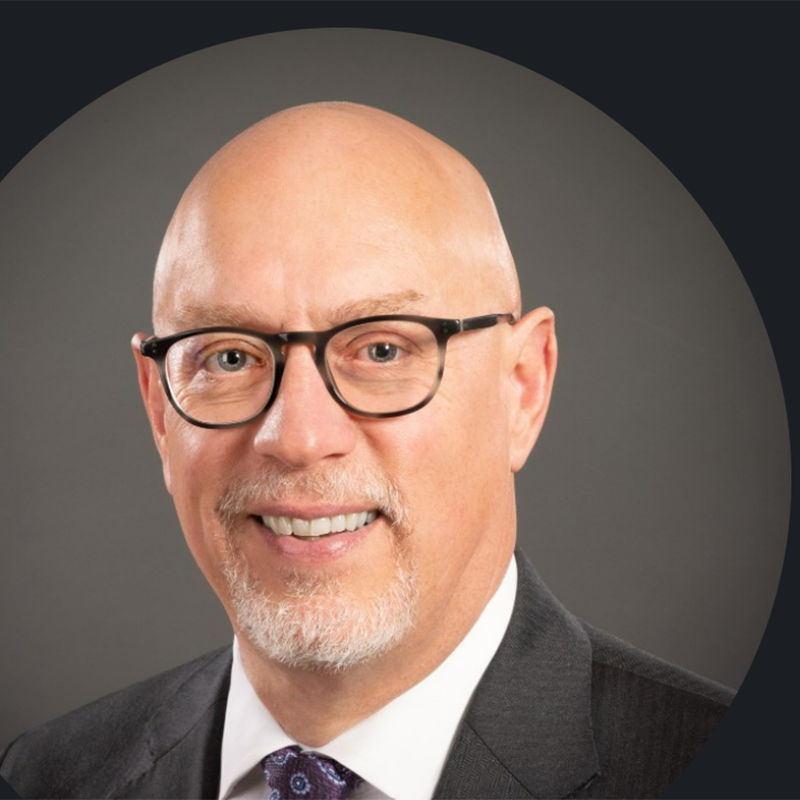
John Walls came to Happy Valley in 1990 with a simple plan: stay three or four years, climb the corporate ladder at Abbott Diagnostics, then move on to Chicago or Mountain View or wherever the next promotion took him.
That was 36 years ago.
He is still here. And the reasons why tell you everything about what makes this valley different.
A Farm Boy in Boston
John grew up on a small farm in Union County, just down Route 45 near Lewisburg. He went to community college in Williamsport, started working in biomedical engineering, and eventually landed in Boston in 1986, servicing IV equipment for Abbott Laboratories across New England.
He was single, in his mid-twenties, and Boston in the eighties was exactly what you would hope it would be for a farm boy finding his footing in the world.
On Friday and Saturday nights, he found his way to Harvard Square. And there, tucked into the circus of street performers and college students, he discovered the Nameless Coffee House, a legendary acoustic music venue that had been hosting singer-songwriters since 1966.
John started volunteering. Then he became a volunteer manager. He fell in love with the music, with the intimacy of a room where people listened, with the community that formed around it.
When Abbott offered him a transfer to central Pennsylvania in 1990, he took it. The job made sense. He could reach Philadelphia, Baltimore, Harrisburg, Pittsburgh, and Buffalo from State College. It was practical.
But something was missing.
Building What He Missed
John joined the folk staff at WPSU and started going out to local bars to hear singer-songwriters. What he found disappointed him. In a college town, cover bands ruled. Original music got drowned out by conversations and clinking glasses. The local legends, people like John Cunningham and J.R. Mangan, told him they could not play their own songs because nobody wanted to hear them.
So, John decided to build the kind of place he missed from Boston.
He called it the Acoustic Brew.
The concept was simple: a true listening room. No food service, just snacks and coffee. Chairs set up concert-style. Performers played acoustic, with minimal amplification. And the audience came to listen. You could hear a pin drop during a performance.
He found a home for it at the Center for Well-Being in Lemont, an old church with exceptional acoustics that held about a hundred people. He funded it out of his own pocket. He started making calls to the artists he had seen in New England, the ones traveling between New York and Chicago who might want to stop in State College for a night.
They said yes. They liked the idea of playing truly acoustic to an audience that was paying attention. Some found it intimidating. Mark Ross of Queen Bee and the Blue Hornet Band, a guy who had played with B.B. King on the national circuit, told John backstage that he was nervous. He had never had anyone listen as closely as these people did.
Queen Bee recorded that performance. They liked it so much they released an entire live acoustic album from that one show at the Acoustic Brew.
The Cease and Desist Letter
A few shows in, John received a letter from College Township. The authorities said he was creating a nuisance in Lemont. If he did not stop, they would send police to shut him down.
John could have given up. Instead, he knocked on every door in the neighborhood.
The residents loved the shows. Many of them came. Eventually someone pointed him toward a woman who worked at the township building. She was the one who had complained. She did not like the traffic on that one night a month.
John had a conversation with her. Then he ignored the letter.
The police never came. The Acoustic Brew kept going.
Roots
By then, John had met his wife. They got married, had a son, then twins. Through the Junior Women’s Club in State College, they built a network of friends who were in the same stage of life, young couples with kids or about to have them.
When Abbott finally gave John an ultimatum in the early 2000s, move to Arizona or lose your position, he chose to stay. His son was ten, playing little league baseball. His wife had her support network. His kids had their schools and their friends.
The job was part of his identity. Letting it go was disorienting. But his family came first.
“When you’re dealing with uncertainty,” John explained, “do you put yourself or your family first? Who do you want to give certainty to the most?”
He handed the Acoustic Brew off to Linda Littleton of the band Simple Gifts and Mel D. Young from WPSU. They kept it going. John stepped back to be a full-time dad.
Then he started building again.
From Tragedy to Understanding
John launched a company called Calix from the incubator at Innovation Park, calibrating test and measurement equipment for hospitals across the country. The early years were hard. He was burning through savings.
Then tragedy struck. A friend’s son, a football player, suffered a concussion during spring practice. Three days later, he took his own life.
Nobody understood why. But his sister remembered something he said: “My head is killing me.”
John went to a computer and started searching. He learned about the prefrontal cortex and its role in impulse control. He became fascinated by the emerging science of functional MRI, which was allowing researchers to see the brain with clarity they had never had before.
He started following the NeuroLeadership Institute in New York. He learned about the five social needs that drive human behavior: status, certainty, autonomy, relatedness, and fairness. He applied what he learned to recruiting, to sales, to how he built his team at Calix.
It worked. People wanted to join his company before they even talked about money. They stayed when they had options to leave. The business grew. A few years ago, John sold it to a group from Harvard called the Scientific Safety Alliance.
Now he runs Neurobuilt Leadership, helping other companies understand what he learned: that when you give people a sense of belonging, they will give you everything they have.
The Science of Connection
At a Connect Happy Valley social recently, fifteen strangers gathered in a room at Pine Grove Hall. They talked. They shared. At the end of the night, the facilitator asked everyone to name a joy from their week.
John was last. He said: “My joy is right now. I don’t want this to end.”
It was the same feeling he chased when he volunteered at the Nameless Coffee House in Harvard Square. The same feeling he tried to create with the Acoustic Brew. The same feeling that kept him in Happy Valley when every practical consideration said he should leave.
“We need the relatedness,” John said. “We need to feel like we’re part of a tribe. There are so many lonely people out there. It’s an epidemic.”
The research backs him up. Centre County ranks in the top three percent in the United States for longevity of life. John believes connection is part of the reason.
“The happier we are, the more relationships we have, the science is clear. We’ll live longer. And if that’s what Happy Valley is, then we’re really living up to our name.”
Watch John’s full conversation on Connect Happy Valley AM to learn more about Acoustic Brew, neuroscience, and his belief that we are better when we belong.
You Belong Here.