
By The Connect Crew | June 10, 2026
Every few years, communities go through the same exercise: public meetings, planning discussions, demographic studies, and resident feedback about the future.
Usually, the conversation quickly gets pulled into the weeds. Housing units. Traffic counts. Zoning categories. Land use maps.
Those details matter.
But every so often, the numbers reveal something bigger. Not just where a community might grow, but what the people who live there actually value.
That is what stood out in the latest information presented as part of the Centre Region’s One Vision for 2045 planning process.
Step back from the charts and planning terminology and a remarkably consistent picture begins to emerge.
The people of Ferguson Township seem to be telling us what they want more of, what they want protected, and what they believe makes a community worth calling home.
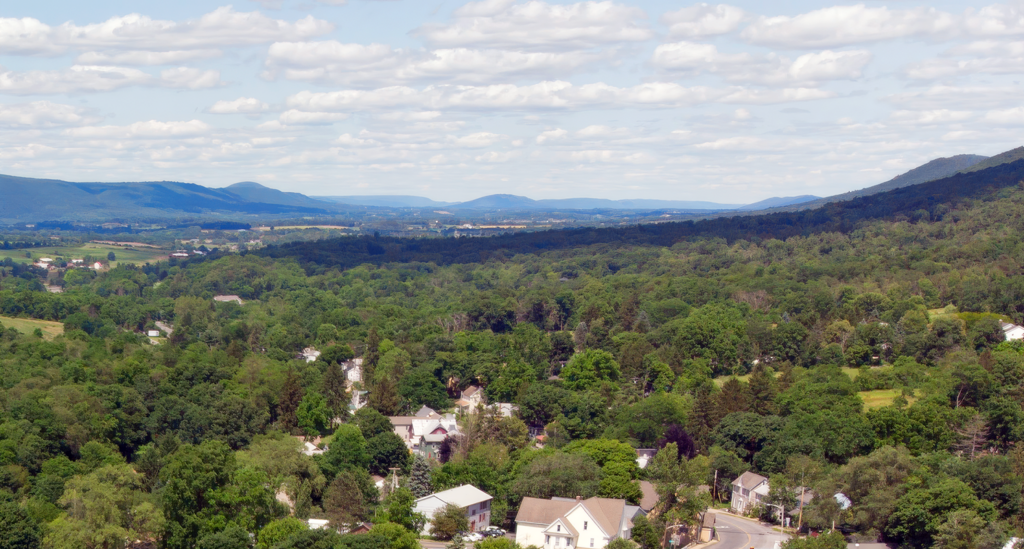
A Community Spending More Time Close to Home
One finding immediately caught our attention.
Twenty-eight percent of Ferguson Township respondents identified themselves as retired, while another 13 percent said they work remotely.
Together, that means more than four out of every ten respondents are no longer part of the traditional daily commute.
That changes how people experience a community.
When you spend more time close to home, you notice the quality of the trails. You appreciate the local park. You meet friends for coffee. You discover a favorite restaurant. You attend community events. You spend more time supporting local businesses and enjoying the place where you live.
Quality of life becomes less about where you work and more about where you spend your time.
What Residents Want More Of
Among Ferguson Township respondents, two answers consistently rose to the top.
When asked what they would like to see more of within ten miles of home, the leading responses were open and natural space, followed closely by restaurants, breweries, and coffee shops.
When the question focused on what people wanted within one mile of home, restaurants, breweries, and coffee shops moved into the top spot, with open and natural space right behind.
That is worth paying attention to.
The strongest demand is not for more shopping centers or larger commercial districts.
It is for experiences.
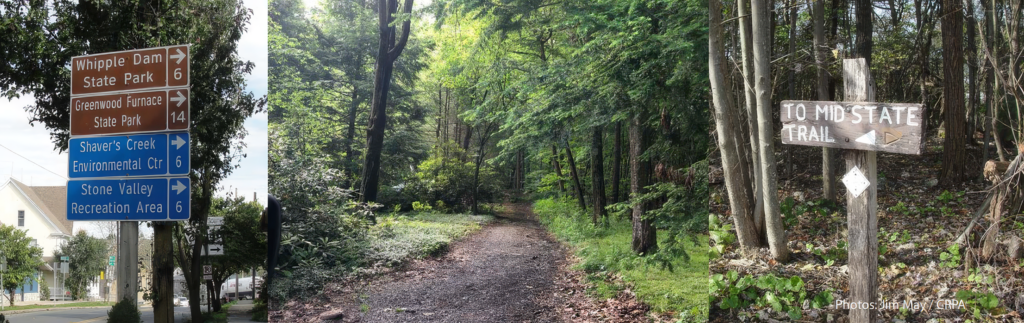
People want places where they can gather, relax, walk, exercise, meet friends, and enjoy the community around them.
Whether it is a trail, a park, a brewery, a coffee shop, a local restaurant, or a farmers’ market, residents appear to place tremendous value on the everyday places that bring people together.
What the Economic Development Results Tell Us
The economic development section may be the most revealing of all.
The strongest support went to outdoor recreation and sports tourism, local food systems, farm-to-table experiences, agritourism, breweries, and affordable housing.
Taken together, those priorities paint a picture of what many residents believe makes Happy Valley special.
The mountains.
The trails.
The farms.
The local food scene.
The outdoor lifestyle.
The gathering places.
The character of the region itself.
Rather than asking leaders to transform the area into something different, many respondents seem to be encouraging them to build upon the strengths that already exist.
In an era when communities across the country compete for talent, entrepreneurs, retirees, remote workers, and young families, quality of place has become one of the most important economic assets a region can possess.
Investing in Local Entrepreneurs
Another result deserves a closer look.
When asked which businesses should be a priority for future economic growth, the top response was growing local startups and promoting entrepreneurship.
That is a notable finding.
For decades, economic development conversations often centered on recruiting companies from somewhere else.
Many residents now appear to be saying that supporting the people already here may be just as important.
Help local businesses grow.
Support entrepreneurs.
Create opportunities for Penn State graduates to stay.
Build an environment where new ideas can take root.
The next major employer in the Centre Region may already be working from a home office, a coworking space, or a corner table in a local coffee shop.
One More Interesting Finding
When respondents were asked how they prefer to receive information about community meetings, local issues, and events, the number one answer was email.
Not social media.
Not television.
Not radio.
Email.
Despite all the changes in technology, people still value receiving useful information directly and on their own schedule.
Reading Between the Lines
What struck us most is how often residents pointed in the same direction.
They talked about open space and trails.
They talked about local restaurants and gathering places.
They talked about affordable housing, local businesses, entrepreneurship, farms, food, and outdoor recreation.
At first glance those may seem like separate issues.
Taken together, they describe the same thing: the kind of community people want to live in.
The One Vision for 2045 process is intended to help shape future land use decisions throughout the Centre Region. What these results suggest is that many Ferguson Township residents are not looking for the community to become something entirely different.
They want to preserve and strengthen the things that already make this corner of Happy Valley special.
And that may be the most important takeaway of all.